
The Beginner’s Guide to Jazz Articulation: Coltrane Techniques Demystified (Premium)
By
Playing Techniques, Premium Only, Rhythm
It’s the subtleties of articulation that make melodies come alive. But, being so subtle, articulation is one of those concepts that’s difficult to grasp, or for that matter, even teach. And it’s personal. Nearly every player has their own distinct method of articulating, which yields a different result. With all this ambiguity, how can we start to get a concept of articulation and practice it?
As always, finding a clear model gives us a direction and starting place to understand what it is we’re dealing with, and of all the solos I’ve listened to, one sticks out in particular when I think of articulation…
The concept of varied articulation: Learning from Coltrane
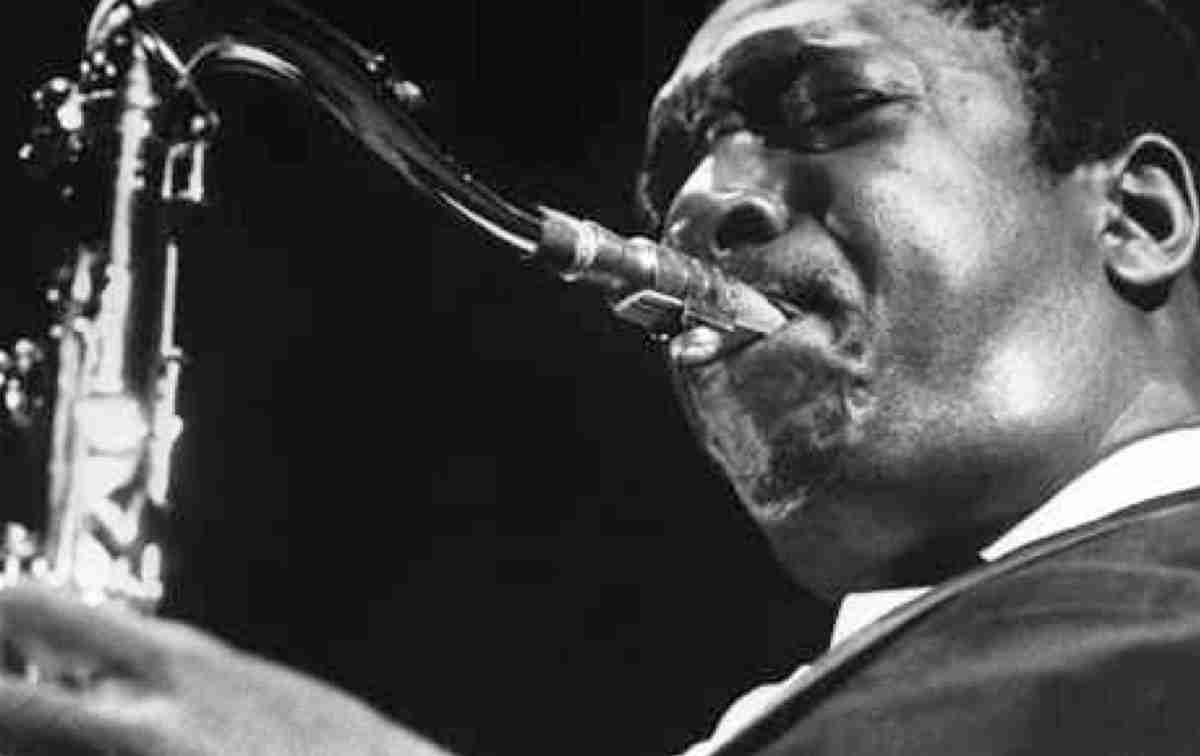
John Coltrane has a wide variety of articulation techniques that vary from album to album, but his solo on I Hear a Rhapsody makes use of the primary 3 styles that he and other great players tend to use in a clear and definitive way.
It’s like this solo was made to be a study in articulation. It’s packed with way more information than we need to learn the fundamentals.
Go ahead and take ...
Hey, Sorry to Interrupt...
I know you were really enjoying this lesson and super excited to learn something new, but we have to stop you right there because this is a lesson for premium members only.
Already a premium member? Log in Below...
You see, we create a ton of lessons, some of which you probably know and love - lessons that explore the intricacies of jazz improvisation in a way that you may have not thought about before, giving you the advice you need to break through your plateau...
Occasionally, we'll go into even more detail. But this extra special content is just for our premium members.
You can unlock access to all of this premium content, too. It takes less than a minute and it's only $5 a month.
When you sign up for premium, you'll get:
- Unrestricted access to every lesson on the site
- The ability to print any lesson as a customizable PDF for your practice room
- Good karma knowing you're keeping Jazzadvice alive!
- And, a whole lot more to come...
And here's the truth…
We almost gave up multiple times. Closed shop. Took the site down and called it quits. We've been really close a few times. You have to make some difficult decisions when you're doing something you love.
But we pushed through and kept going. And now with your help, we're rising to the challenge to make Jazzadvice even better!
So if you've ever shared one of our lessons, or if you've ever learned something new from us that inspired you, propelled your playing forward, saved you from quitting or throwing your instrument (or yourself) out the window, consider joining premium to say thanks.
It's just a few bucks to make Jazzadvice even better, so we can focus on creating the most awesome jazz improvisation material on the planet for you.
Here's How it Works:
- The $5 a month is billed once yearly using PayPal or credit card
- Create a new Jazzadvice account, or if you've purchased from us before, use your email and password you used previously
- That's it! Log in and enjoy your Premium Membership.
Click the lovely button below to get Premium
Interested in the courses too? Make sure to check out The 5 Course Bundle for a discount on Courses & Premium.
Frequently Asked Questions
Q: What payment methods do you accept?
A: You can easily pay by credit card or Paypal.
Q: How do I access my Premium Membership?
A: Once you sign up to Premium, you simply log in to your account. Then, all of of your premium content will automatically be unlocked for you.
Q: How is Premium Membership charged?
A: Premium is only $5 a month which works out to $60 for the whole year, so you're charged $60 once a year. To keep things seamless, your membership automatically renews each year on the date it started, but of course we send you a reminder and you're free to cancel at any time.
Q: Does Premium come with the Fundamental Courses?
A: No. The five Fundamental Courses are standalone, completely separate from your premium membership. If you're interested in purchasing both The Fundamental Courses and Premium, make sure to check out The Courses and Premium Bundle.
Q: If I've purchased a Fundamental Course do I automatically get Premium?
A: No. The Fundamental Courses are standalone, completely separate from your premium membership.
Q: I'm not a jazz musician. Will I still benefit from Premium?
A: Yes! No matter what style of music you play, you will benefit from Premium.
Q: Is there a money back guarantee or a refund if I don't like Premium?
A: No. We do not give refunds or money back guarantees. We hope you like Premium and we're constantly improving it, but you can of course choose whether or not to renew your annual subscription.
Q: Who can use my Premium Membership?
A: Only the one person who buys it. That’s it. No part of any lesson on Premium may be shared or redistributed. We will immediately revoke access for any user that violates these terms without a refund.
Q: I'm a beginner. Should I sign up to Premium?
A: Yes. While some of the lessons in Premium are super advanced, Premium gives you the extra guidance and in-depth details that are especially useful for a beginner.
Q: I'm an intermediate or advanced player. Will I benefit from Premium?
A: Absolutely! Premium was made for you - the musicians that want the extra tips and direction to get to the next level.
Q: I'm a teacher. Can I use premium lessons in the classroom?
A: No. Premium Membership is for one user only, the person who buys it. That's it. We will immediately terminate any user that violates these terms without a refund. Please respect our copyrights and do not illegally distribute any part of our premium lessons. Instead, please direct your students to join premium for themselves.
Q: What instrument(s) is Premium for?
A: All instruments can use Premium
We're here to help...
If you have any questions at all about Premium, we're more than happy to answer them.